GameScoreCraft turns aspiring musicians into working game composers — with practical guides on composition craft, music theory, production tools, and the business of game audio.
Long-form, no-fluff guides that take you from first notes to first paid gig.

Explore leading video game music composition courses for 2026. Compare top programs, degree options, online platforms, and find the right career path. Start your journey.
Read the guide →
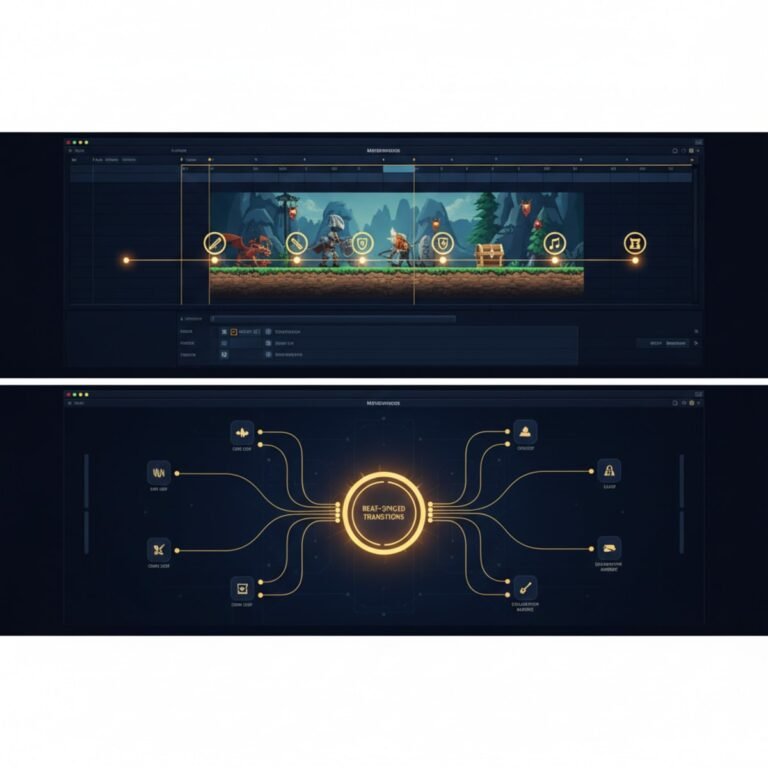
Learn how to sync music to gameplay using tempo, cues, and adaptive music tools. Explore composer workflows and avoid timing issues. Step into pro game audio.
Read the guide →
Compare game sound design vs music: how the two roles differ, the tools they use, and the career paths and portfolio skills for aspiring game audio professionals.
Read the guide →
Learn practical strategies for effective, authentic game audio networking—both online and at events—to grow your career. Step-by-step guide and real examples.
Read the guide →
Learn what indie developers want in a game music portfolio: formats, examples, technical skills, and common mistakes. Improve your chances—start building yours today.
Read the guide →
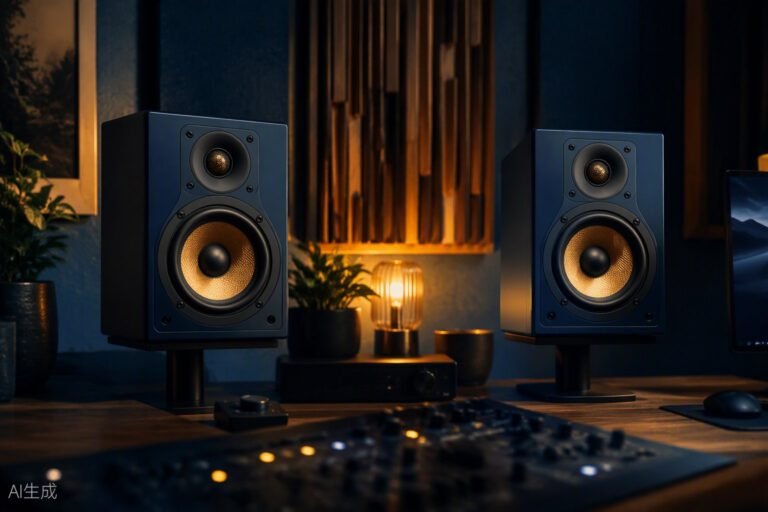
Discover the best studio monitors for composers and home studios. Find top models, sizing tips, and setup advice to help you achieve clear, accurate mixes.
Read the guide →Follow the four stages in order — each one builds on the last. This is the exact journey working game composers took.
Master the theory tricks behind iconic soundtracks — modes, leitmotifs, and harmony that serves gameplay.
Theory techniques →Learn adaptive and interactive music — loops, layers, and stems that react to the player.
Adaptive music guide →Pick a DAW, sample libraries, and affordable gear — a professional setup without the pro price tag.
Choose your DAW →Price your work, pitch studios, and turn your portfolio into contracts with real rates data.
Composer rates →Every article on GameScoreCraft belongs to one of four clusters — the complete skill set of a working game composer.
Adaptive scores, looping, orchestration, leitmotifs, and writing music that serves gameplay.
Modes, harmony, and melody — taught through the soundtracks you already love.
DAWs, sample libraries, plugins, and home studio setups that fit a composer's budget.
Portfolios, networking, pricing, contracts, and landing paid work with studios.
Hand-picked tools we recommend in our guides — tested choices for every budget.

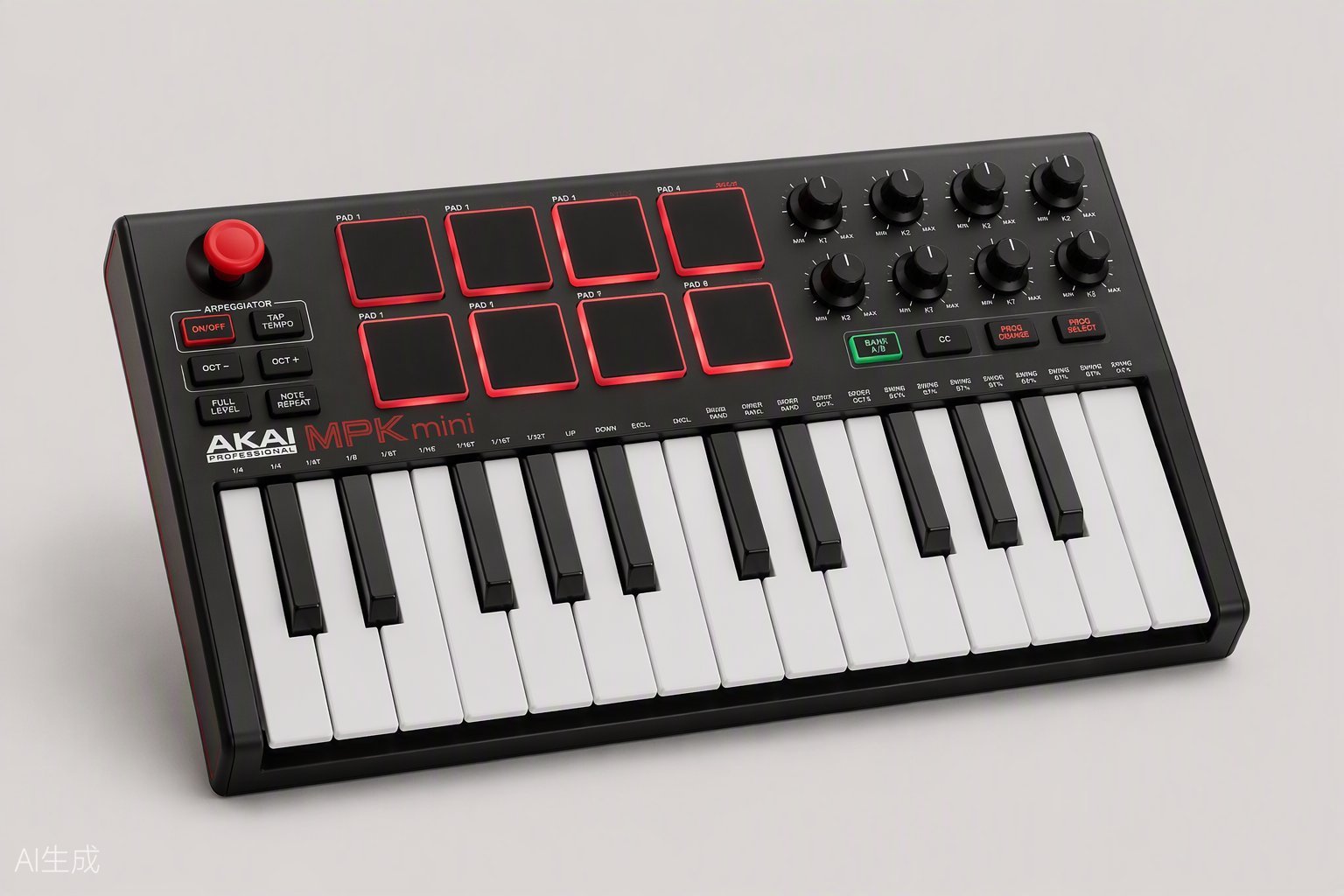
The compact MIDI keyboard we recommend to every beginner — pads, knobs, and pro feel for under $120.
Check today's price →
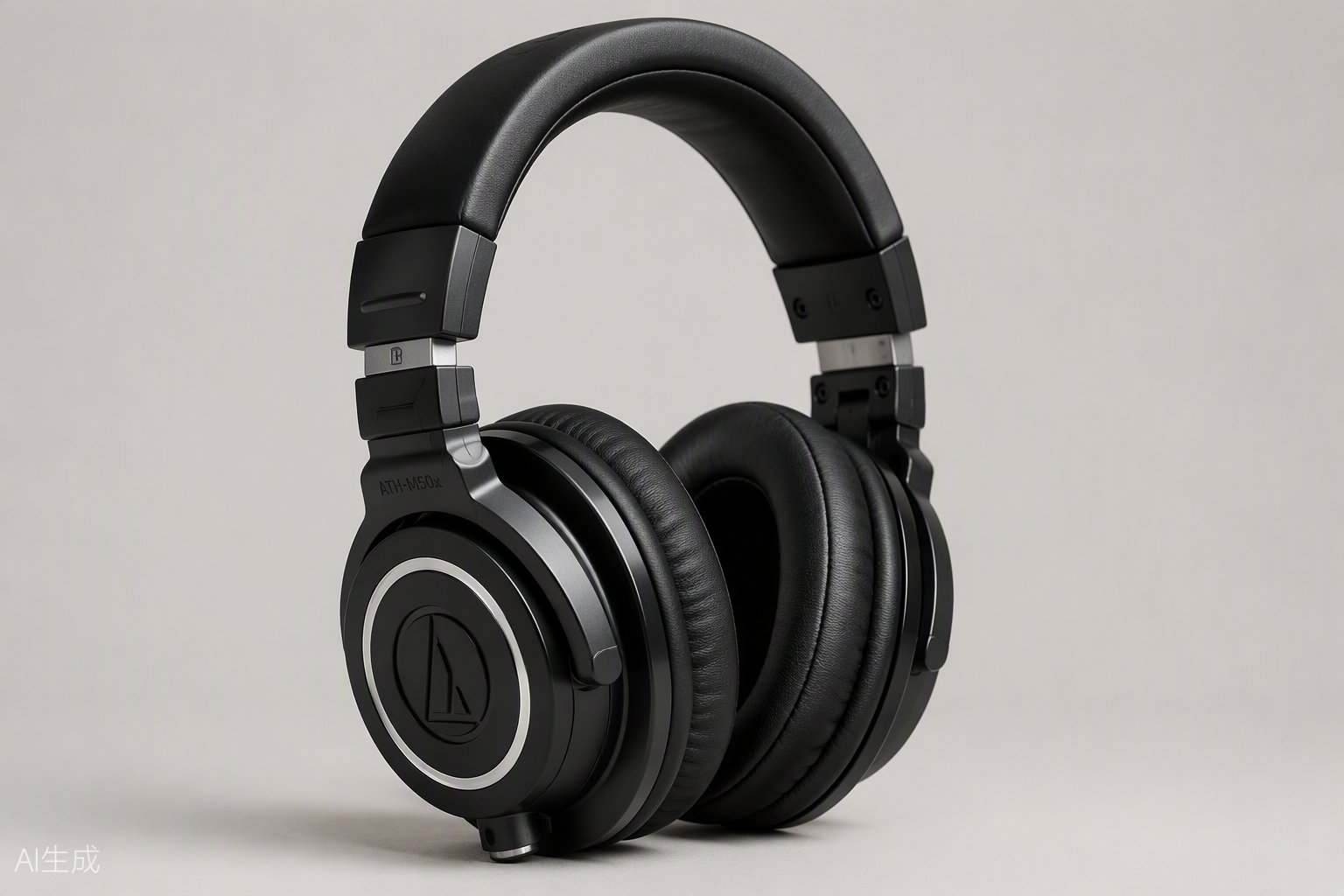
Studio headphones with the honest, flat response you need to mix orchestral layers correctly.
Check today's price →
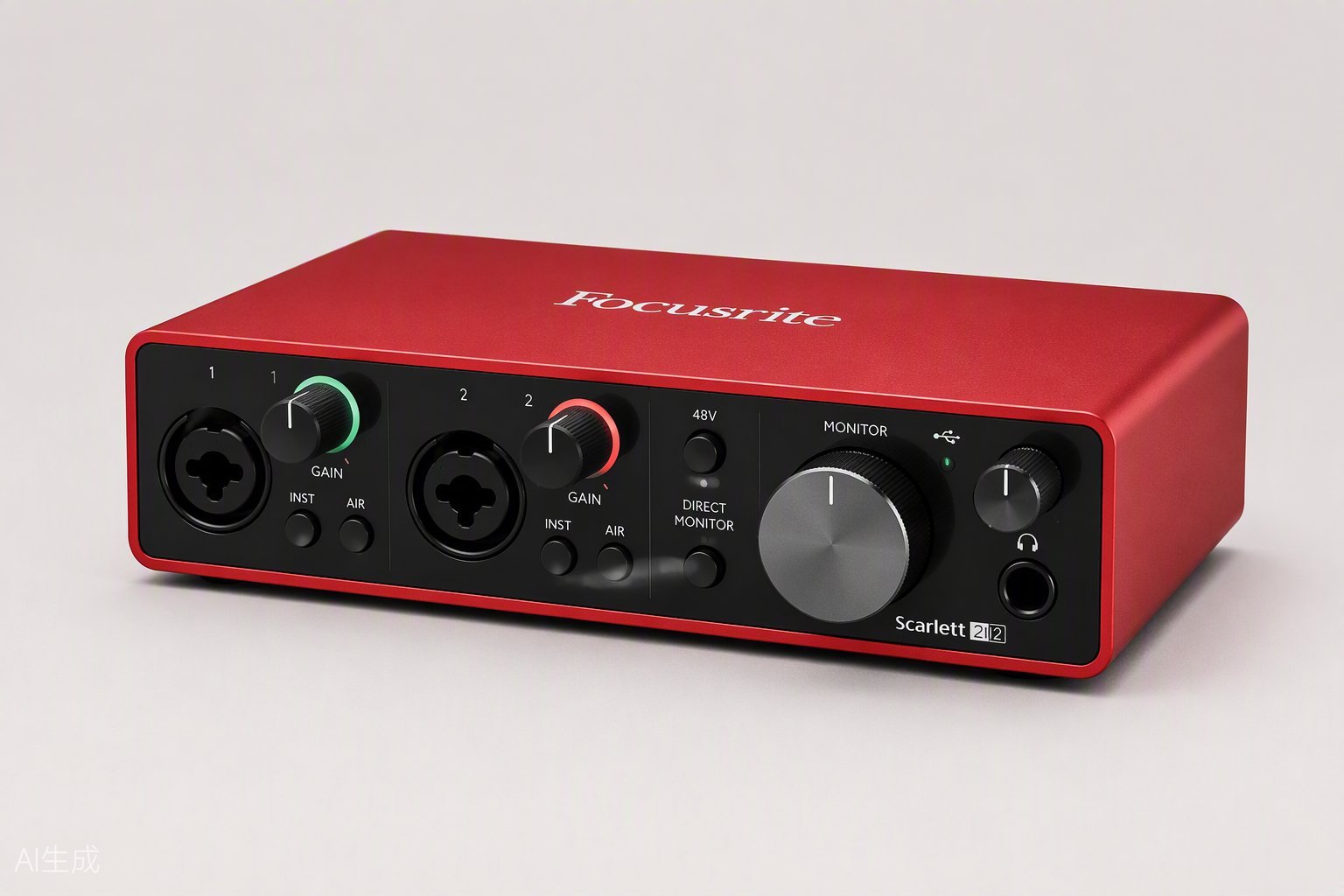
The audio interface that records your ideas cleanly — the home-studio standard for a reason.
Check today's price →As an Amazon Associate, GameScoreCraft earns from qualifying purchases — at no extra cost to you. See the full gear list →
Every guide starts from real research — industry rates, working composers' workflows, and current tools, not recycled listicles.
Each article ends with steps you can apply today: what to buy, what to write, what to charge.
Tools and rates change fast in game audio. We review and refresh guides so advice stays current.
We disclose every affiliate relationship and only recommend gear that fits a composer's real needs and budget.