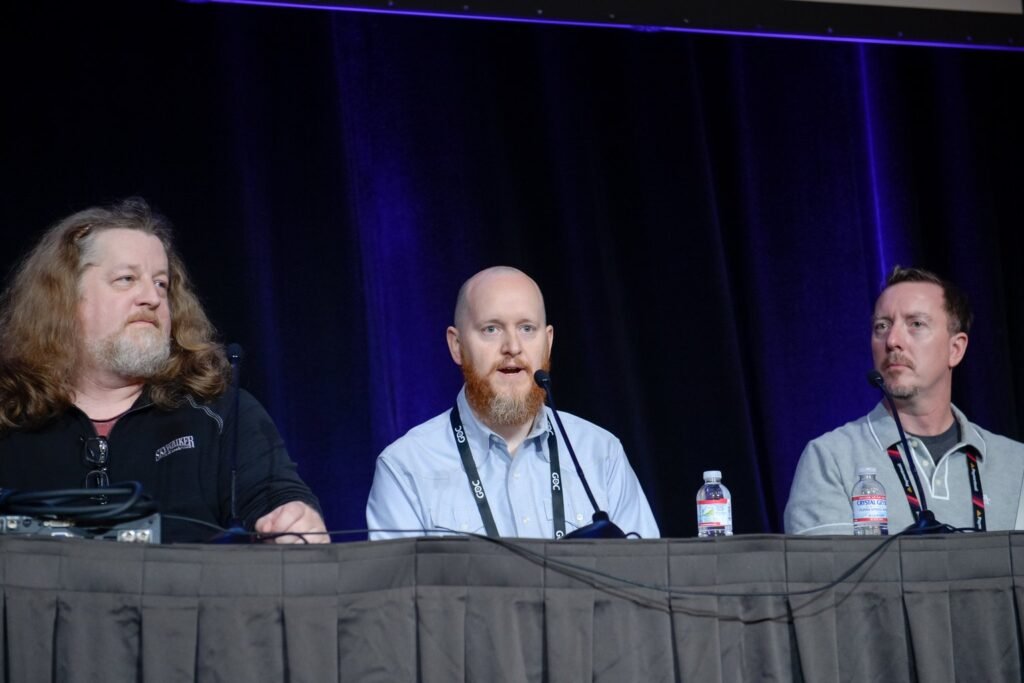
Game audio networking means building authentic relationships in the game audio community, both online and at events. Instead of self-promoting or asking for jobs, focus on adding value, supporting others, and engaging genuinely in conversations to foster lasting connections and professional growth.
What is Game Audio Networking?
Game audio networking is the ongoing process of building professional relationships within the video game music and sound community. This involves connecting with peers, mentors, and potential collaborators—not just to find work, but to learn, share knowledge, and support others in the field. The most effective game audio networking is based on genuine interaction, not simply collecting contacts or pushing your portfolio.
Why Genuine Networking Matters in Game Audio
Unlike many industries, game audio is a tight-knit field where reputation and trust are paramount. According to multiple guides, including Game Audio Learning and A Sound Effect, most opportunities arise from ongoing relationships rather than cold outreach. Professionals remember those who contribute positively to conversations, offer help, or share resources—rather than those who instantly pitch their services or ask for gigs.
Where to Network: Key Online and In-person Communities
- Discord & Slack Groups: Spaces like Airwiggles, Game Audio Network Guild (G.A.N.G.) Discord, and niche Slack workspaces are beginner-friendly, with active discussions and mentorship.
- Social Media: Twitter/X and LinkedIn are useful for following industry news, joining threads, and DMing peers (with tact).
- Subreddits: r/GameAudio and similar communities are approachable for newcomers and offer feedback opportunities.
- Events: In-person meetups such as GDC (US), Game Sound Con (US), Develop:Brighton (UK), AES Audio for Games (UK), and Game Music Connect (UK) are anchors for building deeper relationships.
For a step-by-step guide on entering the field, see how to become a video game composer for practical tips and links.
How to Start Networking with No Contacts
- Research Communities: Lurk in Discords, forums, and social media to learn the tone and etiquette.
- Introduce Yourself Genuinely: Share a brief background—no sales pitch. For example: “Hi, I’m Casey, a composer exploring adaptive music. Excited to learn and support others here!”
- Engage by Adding Value: Ask thoughtful questions, answer others, share resources, or offer feedback on work posted by peers.
- Build Consistency: Return regularly, participate in discussions, and follow up on conversations.
- Expand Gradually: Once comfortable, join more focused channels, attend online events, and consider in-person meetups.
Many professionals start with no contacts at all, gradually building relationships by being present and helpful instead of immediately seeking gigs.
Effective, Non-Spammy Networking Approaches
The best way to make a positive impression is to engage as a peer, not as a salesperson. Some practical tactics:
- Personalize Your Messages: Instead of “Check out my portfolio!” try, “I enjoyed your talk on adaptive scoring—what inspired your approach?”
- Offer Help or Insight: Share your experience if someone asks for DAW workflow tips, or provide feedback on a mix when requested.
- Celebrate Others: Congratulate peers on milestones or releases. Publicly supporting others leads to genuine reciprocity.
- Stay Polite and Non-Persistent: One polite follow-up is fine, but avoid repeat messaging if you don’t get a response.
For more detail, Guildford Game Audio’s beginner’s guide offers real-world message examples and etiquette tips.
Common Pitfalls: What Not to Do
- Leading with requests for jobs or gigs.
- Sending generic DMs or mass emails.
- Dominating conversations or using jargon to impress.
- Only targeting senior professionals—peers are valuable connections too.
- Bringing a resume to a first meeting or event.
- Dropping links without context.
These habits are widely recognized as counterproductive. Establish rapport first, and let opportunities develop naturally.
How Networking Leads to Real Opportunities
Most freelance and staff roles in game audio are filled through referrals, recommendations, and informal conversations. For example, a contact made in a Discord discussion may later recommend you for a small collaboration. Over time, consistent contributors are noticed by both peers and studio leads. Real opportunities come from layers of interaction: supporting others, sharing knowledge, and being present when someone is looking for a collaborator or contractor. For more insight on how relationships translate to paid work, see video game composer rates for guidance on negotiating and understanding industry norms.
Comparison: Game Audio Networking Approaches
| Approach | Pros | Cons |
|---|---|---|
| Genuine engagement | Builds trust, stronger relationships | Takes time, not instantly transactional |
| Mass self-promotion | Quick exposure to many | Perceived as spammy, often ignored |
| Peer-focused groups | Supportive, easier to participate | May limit exposure to broader industry |
| Large non-specific forums | Broad exposure | Harder to build meaningful connections |
Resources and Further Reading
- How to network in game audio (Game Audio Learning)
- A beginner’s guide to networking in game audio (Guildford Game Audio)
- Game audio networking tips (A Sound Effect)
- Online game audio communities (Game Audio Learning)
FAQ: Game Audio Networking
- Where can I network for game audio roles?
Key places include Discord servers (Airwiggles, G.A.N.G.), Twitter/X, LinkedIn, r/GameAudio, and events like GDC and Game Sound Con. - How do I get started in the game audio community with no contacts?
Start by joining welcoming online communities, introduce yourself, and support others’ posts or questions rather than self-promoting. - How do I approach senior professionals without being pushy?
Engage with their work, ask thoughtful questions, and avoid asking for jobs or feedback right away. Let rapport build naturally. - Do I need to attend conferences like GDC?
In-person events help, but many professionals have built strong networks entirely online. Attend if possible, but it’s not mandatory. - How do forum or Discord contacts lead to paid gigs?
Consistent positive participation makes you memorable; peers may recommend you when opportunities arise, often after building relationship over time.
Featured image: sound designers on the “Storytelling Tools” panel at GDC 2016. Photo by Official GDC, CC BY 2.0, via Wikimedia Commons.